 Stand out with an award-winning
Key Takeaways
- Only 22% of organizations say their managers are highly effective at employee development.
- Coaching is the No. 1 capability organizations want managers to improve.
- Top Workplaces develop managers differently, embedding coaching, career conversations, and recognition into everyday work.
- Today’s best managers don’t just manage performance — they develop people.
- Organizations that invest in better managers build stronger cultures, improve retention, and help people and performance thrive.
Think back to the best manager you’ve ever had. What made them different?
It probably wasn’t because they ran the best meetings or sent the most polished emails.
Chances are, they made you feel supported. They challenged you. They helped you grow. They listened when you needed them, trusted you to do your job, and celebrated your wins along the way.
That’s what people remember.
The expectations of managers have changed over the last several years. Managing work is still important, but employees expect something more. They want managers who coach, develop talent, remove obstacles, and create opportunities to grow. And employers are looking for the same thing.
New findings in the Employee Development Gap report reveal organizations increasingly expect managers to guide employee development. Yet only 22% say their managers are highly effective at doing it.
So, what separates an average manager from a great one? Let’s look at the qualities that matter most, backed by workplace research and Top Workplaces insights.
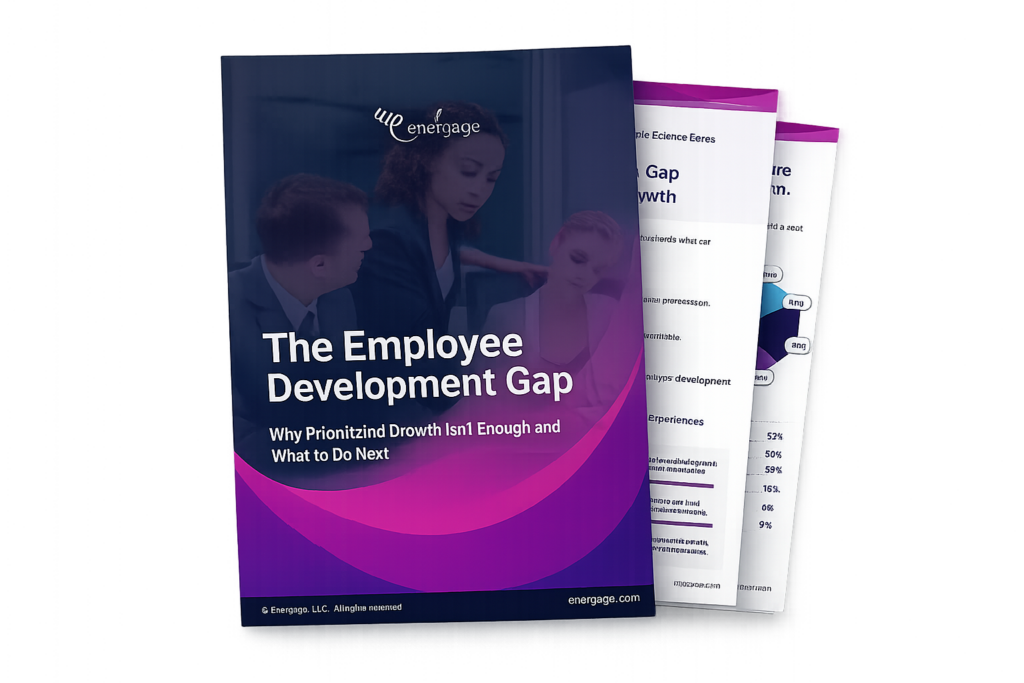
The Employee Development Gap
See why employee development isn’t delivering the results organizations expect — and what to do next.
⬇︎ Download The Employee Development Gap Report
What makes a good manager?
A good manager communicates clearly, builds trust, coaches employees, provides meaningful feedback, supports career growth, and creates an environment where people can succeed. While these qualities have always mattered, today’s most effective managers also develop people — not just performance.
At a glance: 10 qualities of a good manager
- Communicates with clarity, context, and transparency
- Builds trust through consistency and integrity
- Coaches instead of directs
- Develops people, not just performance
- Provides timely, meaningful feedback
- Removes obstacles so employees can succeed
- Encourages continuous growth
- Recognizes and appreciates great work
- Leads by example
- Leads with empathy
Why good managers matter more than ever
Good managers have always mattered. In today’s workplace, they matter more than ever.
Managers shape the employee experience from the very first day on the job. They influence engagement, strengthen workplace culture, improve retention, and help teams perform at their best. In many ways, a manager’s impact reaches every corner of the organization.
That’s why organizations continue to invest in leadership development. Our latest Employee Development Gap research found that employee, manager, leader, and team development rank among organizations’ highest strategic priorities. Yet many organizations still struggle to equip managers with the skills needed to develop their people effectively.
When managers succeed, employees are more likely to stay engaged, continue growing, and contribute to a stronger workplace culture. Organizations benefit, too, through higher performance, stronger retention, and a more resilient workforce.
So, what do the best managers consistently do differently? We’re glad you asked. Let’s explore the qualities that set them apart.
10 qualities of a good manager
Communicates with clarity, context, and transparency
Communication has always been one of the most important qualities of a good manager. But today, employees expect more than regular updates. They want honest and transparent communication that helps them understand not just what is happening, but why.
Great managers take time to listen, ask thoughtful questions, and create space for two-way conversations. Whether they’re sharing company updates, explaining difficult decisions, or checking in one-on-one, clear communication builds alignment and helps employees feel like valued partners rather than spectators in the organization.
According to our Top Workplaces research, managers have an outsized influence on the employee experience. Every interaction is an opportunity to build trust, reinforce priorities, and create the clarity employees need to succeed.
- The best managers don't simply communicate more. They communicate in ways that create connection and understanding.
Builds trust through consistency and integrity
Employees are more likely to stay engaged when they trust their manager to be honest, follow through on commitments, and make fair decisions. That trust often extends to the organization itself, strengthening confidence in leadership and the company’s direction.
Building trust means showing up consistently, admitting mistakes, and creating an environment where employees feel respected, supported, and psychologically safe. It’s the foundation of every high-performing team — and without it, even the best strategies, processes, and goals struggle to succeed.
Coaches employees instead of directing them
Today’s best managers do more than assign work — they help employees grow.
In fact, coaching is the No. 1 capability organizations want managers to improve, according to our latest employee development study. The finding reflects a fundamental shift in what organizations expect from managers. Success is no longer measured solely by how well managers oversee performance, but by how effectively they develop the people behind it.
Coaching isn’t about having all the answers. It’s about asking thoughtful questions, encouraging independent thinking, removing obstacles, and helping employees build the confidence to solve problems on their own.
Managers who coach don’t just improve individual performance — they build stronger teams, prepare employees for future opportunities, and create a culture of continuous learning.
- Coaching is the No. 1 capability organizations want managers to improve.
Develops people, not just performance
Great managers don’t just focus on today’s performance. They invest in tomorrow’s potential.
Career conversations, mentoring, and personalized development opportunities help employees see a future with an organization. When managers actively support growth, employees are more likely to stay engaged and continue building their careers internally.
But many organizations struggle to make this a reality: only 22% of organizations rate their managers as highly effective at developing employees. The opportunity isn’t simply to ask managers to develop people — it’s to equip them with the coaching, skills, and support to make development part of the everyday employee experience.
Provides timely, meaningful feedback
(And no, we don’t just mean feedback reserved for annual performance reviews.)
Employees grow faster when managers provide timely, specific feedback that recognizes successes and identifies opportunities to improve. The best conversations don’t dwell on the past. They help employees move forward with clarity and confidence.
Meaningful feedback also happens consistently. Whether it’s celebrating a win, coaching through a challenge, or discussing career goals, ongoing conversations help employees continue learning and growing.
Yet most organizations still struggle to make this a reality. Only 16% of organizations describe manager development conversations as clear and specific — highlighting a significant opportunity for managers to provide more actionable, ongoing guidance.
Removes obstacles so employees can succeed
Great managers don’t just assign work — they help employees succeed by removing the barriers that get in their way.
Whether it’s clarifying priorities, securing resources, improving cross-functional communication, or eliminating unnecessary roadblocks, effective managers create an environment where employees can do their best work. Instead of becoming bottlenecks themselves, they empower their teams to solve problems and make progress.
- When managers remove obstacles, they make it possible for employees to focus on meaningful work.
Encourages continuous employee growth
The best managers never stop developing their people. They encourage employees to expand their skills, take on new challenges, and pursue opportunities that support both individual career goals and organizational success.
Growth doesn’t always require a promotion. It can come through stretch assignments, cross-functional projects, mentoring, new responsibilities, or learning experiences that build confidence and capability over time.
Organizations invested in employee development recognize how important this has become. Still, there’s room for improvement. Only 40% of employees are receiving the development support they need from their managers. To close that gap, managers should make growth an ongoing conversation — not a once-a-year event.
Employees who see opportunities to learn and advance are more likely to stay engaged, contribute at a higher level, and envision a long-term future with the organization.
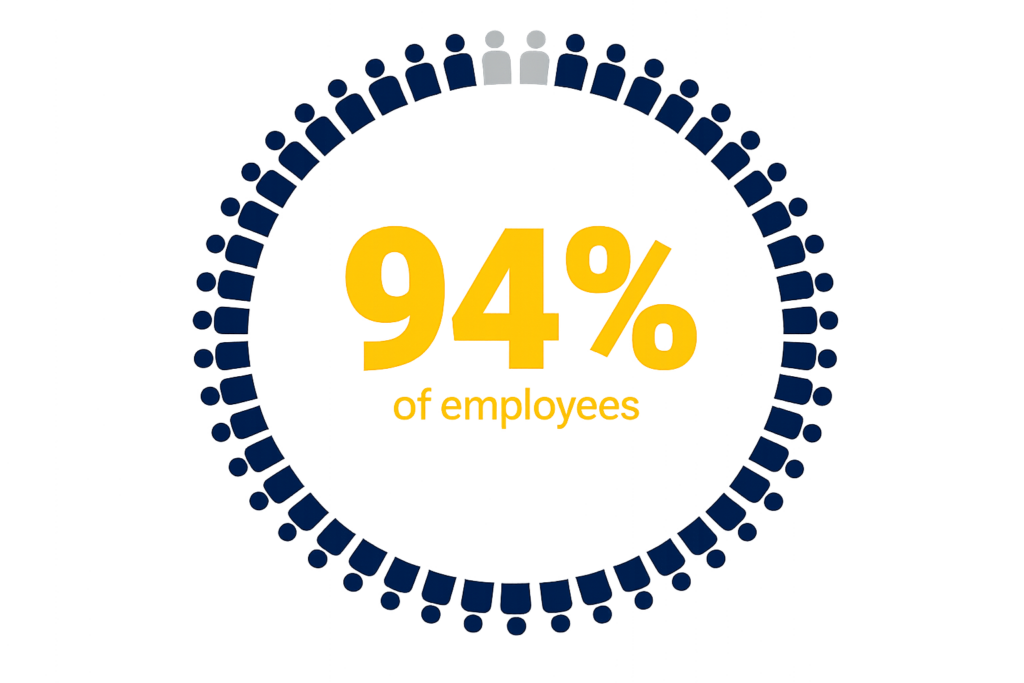
The impact goes far beyond skill development. When employees believe their organization invests in their growth, 94% say they’re more likely to stay. Managers who consistently create opportunities for learning and development don’t just build stronger employees. They build stronger retention.
Recognizes and appreciations great work
Great managers don’t wait for annual reviews to recognize good work. They celebrate achievements, acknowledge effort, and show appreciation in ways that are timely, specific, and meaningful.
Recognition doesn’t have to be elaborate. A sincere thank-you, public acknowledgment, or note highlighting an employee’s contribution can reinforce positive behaviors and help employees feel valued for the work they do.
Employees who feel recognized are more motivated to stay engaged, contribute their best work, and support the team’s success. By making appreciation a consistent habit, managers strengthen trust, boost morale, and create a culture where people want to do their best.
Leads by example
Great managers understand that their actions speak louder than their words. They model the behaviors they expect from others by demonstrating integrity, accountability, professionalism, and a strong work ethic.
Leading by example means following through on commitments, taking ownership when things don’t go as planned, and treating others with respect. It also means being willing to learn, adapt, and ask for feedback — showing employees that growth applies to everyone, regardless of title.
When managers consistently model the values and behaviors they expect from their teams, they build credibility and create a culture of trust, accountability, and mutual respect.
Leads with empathy
The best managers recognize that every employee is different. They take time to understand each person’s strengths, challenges, motivations, and goals, then adapt their leadership style to meet individual needs.
Leading with empathy doesn’t mean lowering expectations. It means listening, asking thoughtful questions, and considering the whole person when making decisions. Employees who feel heard and understood are more likely to trust their manager, speak openly about challenges, and stay engaged through change.
Empathy also strengthens every other quality of a great manager. It’s what makes communication more effective, coaching more meaningful, feedback more constructive, and employee development more personal. By leading with empathy, managers create an environment where people feel supported, valued, and empowered to do their best work.
How the role of a good manager has changed
The role of a manager is evolving.
Organizations no longer expect managers to simply oversee performance. They expect them to coach employees, remove obstacles, recommend stretch opportunities, and support career growth. That shift reflects a broader change in what organizations expect from managers — not just driving results, but helping people grow.
The managers who embrace that role don’t just get better results. They help employees see a future with the organization.
- HR leaders say: Coaching is the No.1 capability organizations want managers to develop and improve.
How Top Workplaces build better managers
Good managers don’t succeed on their own. They thrive in organizations that intentionally support employee development and equip managers with the right tools, practices, and conversations.
Our research comparing Top Workplaces winners with organizations aspiring to earn the award found that Top Workplaces are more likely to make employee growth part of the everyday manager experience. They don’t rely solely on annual performance reviews. Instead, they embed development into the rhythm of work through consistent coaching, feedback, and recognition.
Top Workplaces are more likely than other emloyers to:
- Conduct structured career conversations with managers (54% vs. 30%).
- Use employee self-assessment and reflection tools (52% vs. 30%).
- Incorporate personality and behavioral assessments to support employee growth (42% vs. 20%).
- Provide formal employee recognition programs (57% vs. 45%).
The takeaway is simple: good managers don’t just happen — they’re developed. Top Workplaces invest in the systems, conversations, and leadership practices that help managers coach more effectively, develop employees consistently, and create workplaces where people and performance thrive.
The takeaway
The qualities of a good manager haven’t disappeared. They’ve expanded.
Communication, trust, accountability, and empathy still matter. But in today’s workplace, the most effective managers don’t just manage performance — they develop people. They coach, remove obstacles, create opportunities, and help employees grow.
Organizations that invest in developing managers invest in stronger cultures, higher engagement, and better retention. Because when managers grow, employees grow — and organizations are better positioned to attract, retain, and develop top talent.
Ready to build an award-winning Top Workplace?
Good managers don’t emerge by accident. They’re developed through intentional leadership, meaningful employee feedback, and the right tools to turn insight into action.
Combine proven workplace research with AI-powered talent management to measure, shape, and showcase a workplace where people and performance thrive.